Does a UK company grant me residency or a visa?
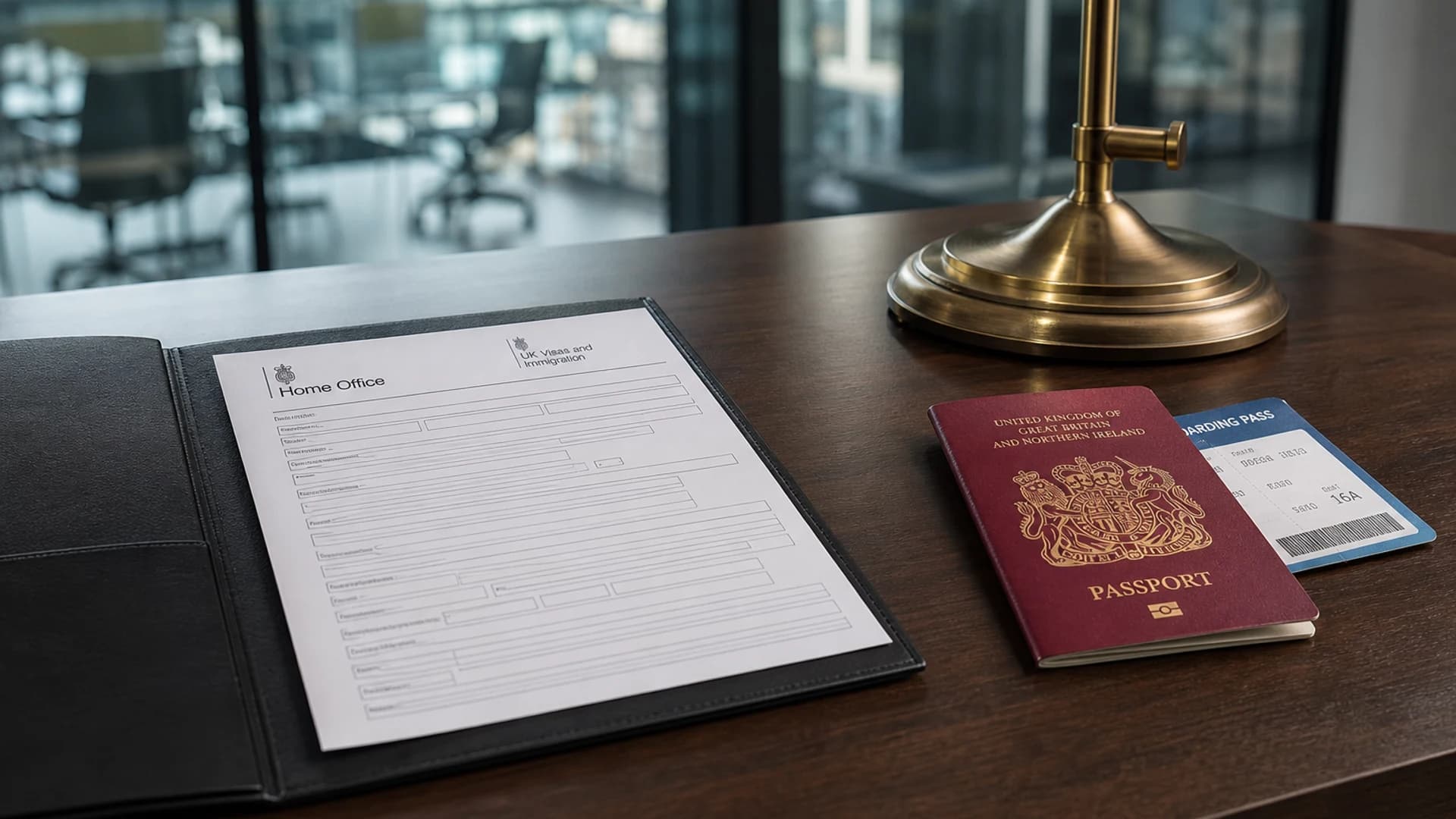
No, forming a UK Ltd alone does not grant you a visa or the right to reside in the UK — this is one of the most common misconceptions. Companies House registers your company as a legal entity, but that is completely separate from the British immigration system. However, owning a UK company may be part of an immigration path if certain conditions are met: the Innovator Founder Visa route requires an innovative company and an approved endorsing body. The Skilled Worker route requires a job offer from a UK company (which could be your company if you employ yourself under conditions). The Global Talent route is for exceptional people in technology and research. In all these routes, the company alone is not enough — you need a business plan, funding, or a job offer that meets Home Office criteria. Eteform explains this to every client from the start so you do not build false expectations. If your main goal is residency, consult a licensed immigration lawyer before formation.
Do I need to visit the UK to manage my company?
No, you do not need to visit the UK to manage a UK Ltd — this is one of the most important advantages of this model for Arab entrepreneurs. Formation is done entirely remotely via Eteform. Opening the bank account (Wise Business, Revolut Business) is done online. Filing the annual documents (CS01, the accounts) is done electronically. Communication with HMRC and Companies House is via the internet. Even identity verification (ECCTA 2023) is done remotely via an ACSP. You can issue invoices, receive payments and manage the company's affairs from Cairo, Riyadh, Dubai or anywhere in the world. A visit to the UK is useful only if you want to open an account at a traditional bank (Barclays, HSBC) that requires an in-person presence, or to attend trade fairs, or to build relationships with local clients. But it is not a legal requirement for owning or managing a UK Ltd.
Why do Arabs form a company in the UK?
Forming a UK Ltd has become the first choice for thousands of Arab entrepreneurs for clear practical reasons. First: access to global payment gateways — Stripe, PayPal Business and Amazon Seller Central require an entity registered in a supported country, and Egypt, Libya, Yemen and Iraq are not directly supported. Second: credibility with international clients — an invoice issued by a UK Ltd in London opens doors with European and American clients who hesitate to deal with a freelancer without a legal entity. Third: financial infrastructure — Wise Business, Revolut Business and Tide open accounts for UK companies for residents outside Britain with relative ease. Fourth: cost — forming a UK company costs from just £50 via Eteform, far cheaper than forming a company in the UAE or Saudi Arabia. Fifth: no need for residency or travel — everything is done remotely. Whether you are a freelancer, an e-commerce trader, a consultant, or a SaaS owner, a UK Ltd gives you a global legal presence.